
Longmont, Colorado, sits at the nexus of natural beauty and climatic diversity, offering residents and visitors a unique blend of weather conditions throughout the year. Nestled just northeast of Boulder and within sight of the majestic Rocky Mountains, Longmont enjoys a climate that is both invigorating and challenging, shaped by its elevation and geographical location. This article provides an essential guide to understanding the weather patterns in Longmont, ensuring you can fully appreciate and prepare for the City of Longmont‘s seasonal changes. To discover more about Longmont, Colorado, explore the high schools in the Longmont area and emergency preparedness in Longmont.
The Four Seasons of Longmont
Spring: A Time of Renewal and Unpredictability
Spring in Longmont is a season of transformation, as the cold grip of winter loosens to reveal blooming flowers and budding trees. From March to May, temperatures gradually rise, with average highs moving from the 50s to the 70s Fahrenheit (10-21°C). However, spring can also be unpredictable, with late snowfalls in March or April and sudden rain showers bringing moisture to the region. This variability makes spring an exciting time, with the landscape quickly changing from snowy white to vibrant greens.
Summer: Warm Days and Cool Evenings
Longmont’s summers are characterized by warm days and cool evenings, a perfect combination for enjoying the outdoors. June through August sees daytime temperatures ranging from the mid-80s to the low 90s Fahrenheit (29-34°C), under mostly clear, sunny skies. While the days can get hot, low humidity levels keep the heat manageable. Afternoon thunderstorms are common, especially in July and August, providing a refreshing break from the heat and contributing to the stunning sunsets that paint the sky.
Autumn: A Season of Colorful Transition
Autumn in Longmont is a photographer’s dream. From September to November, the weather gradually cools, with daytime temperatures dropping from the 70s to the 50s Fahrenheit (21-10°C). The changing leaves create a picturesque setting, especially against the backdrop of the Rocky Mountains. Early snowfalls can occasionally surprise the city in late October or November, adding a premature winter wonderland vibe to the fall landscape.
Winter: Cold, Snowy, and Sunny
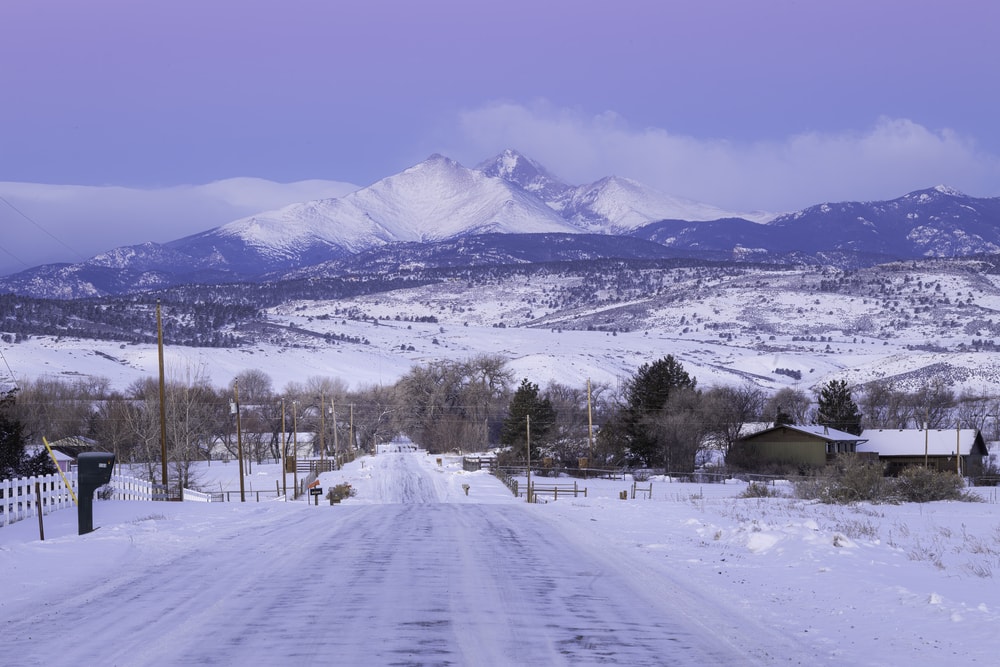
Winters in Longmont are cold, with temperatures often dipping below freezing, especially during the night. December through February sees average highs in the 40s Fahrenheit (4-9°C) and lows in the teens (-10 to -5°C). Snowfall is common, but due to Longmont’s location on the leeward side of the Rockies, the city receives less snow than areas further west. The region’s high number of sunny days throughout the winter helps to melt the snow quickly, making the cold season less daunting.
Living with Longmont’s Weather
Longmont’s weather requires a degree of preparation and adaptability. The key to comfort is layering, allowing for quick adjustments to the day’s changing temperatures. Staying informed about the latest weather forecasts is also crucial, particularly in spring and winter, when conditions can change rapidly.
Making the Most of the Climate
Each season in Longmont offers its own unique opportunities for enjoyment and exploration. Spring and summer provide perfect conditions for hiking, cycling, and water activities in nearby lakes and rivers. Autumn is ideal for scenic drives and outdoor festivals, while winter invites skiing, snowboarding, and cozy indoor gatherings.
Conclusion
The weather in Longmont, Colorado, is as diverse as the landscape itself, offering something special for every season. By understanding the typical weather patterns and preparing accordingly, you can ensure that your time in Longmont, whether as a resident or a visitor, is both enjoyable and fulfilling.