
Longmont, Colorado, nestled at the foothills of the Rocky Mountains, offers breathtaking views and a vibrant community. However, its beautiful setting also comes with the risk of natural disasters such as floods, wildfires, severe storms, and winter weather extremes. Being prepared can significantly reduce the risks and impact on you and your family. This article provides essential tips for emergency preparedness in Longmont to help residents face potential emergencies with confidence. For more about Longmont Colorado, check out Longmont area high schools and Longmont weather.
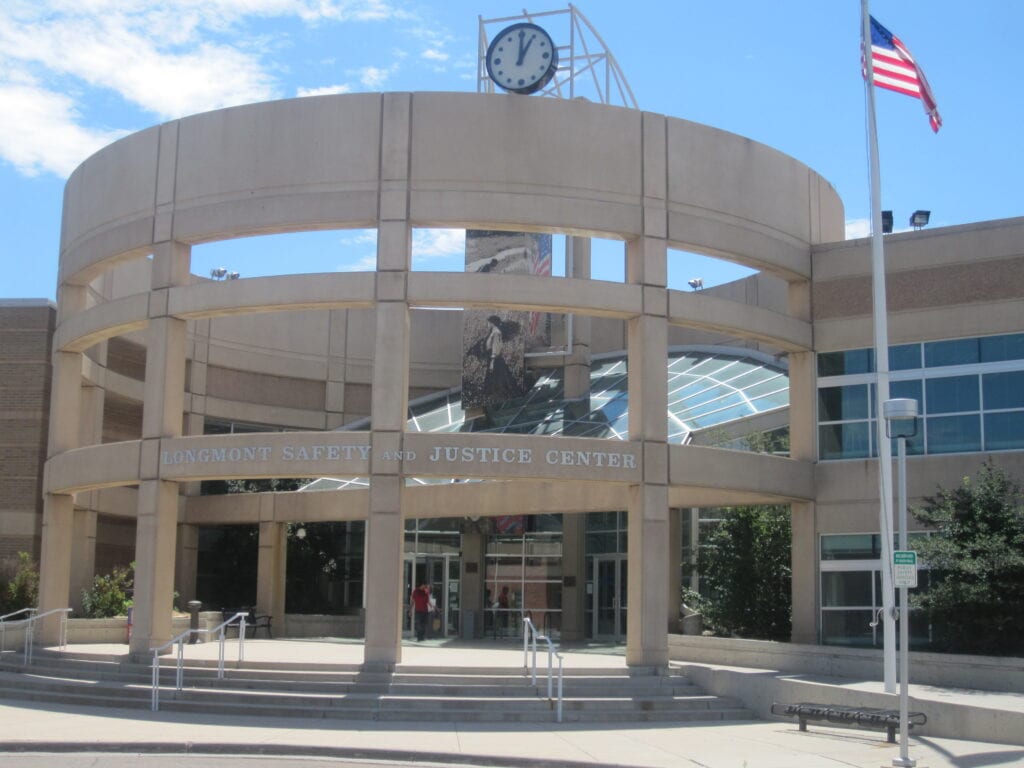
1. Know the Hazards
The first step in preparedness is understanding the specific hazards that Longmont faces. Due to its location, Longmont is prone to sudden weather changes that can lead to severe storms, flooding (especially along the St. Vrain Creek), wildfires during dry seasons, and heavy snowfall in winter. Stay informed about the local geography and climate and how they contribute to these risks.
2. Make an Emergency Plan
Having a well-thought-out emergency plan is crucial. Your plan should include emergency contact numbers, a predetermined meeting place outside of your home, evacuation routes, and specific plans for pets. Discuss and practice your emergency plan with all household members to ensure everyone knows what to do in different types of emergencies.
3. Assemble an Emergency Kit
Prepare an emergency kit that includes at least a three-day supply of water and non-perishable food per person, a flashlight, a first aid kit, batteries, a whistle to signal for help, dust masks, sanitation items, and local maps. Consider special needs of any household member such as prescription medications, baby supplies, or pet needs. Keep your kit in a designated place and inform everyone where it is.
4. Stay Informed
In emergencies, information is crucial. Sign up for local alerts and warnings through Longmont’s emergency notification systems. These can provide you with timely information about impending hazards and guidance on how to respond. Keep a battery-powered or hand-crank radio in your emergency kit to stay informed during power outages.
5. Protect Your Home
Mitigate potential damage to your home by taking preventative measures against known risks. This might include reinforcing your roof against heavy snow, creating a defensible space around your property to protect against wildfires, or installing sump pumps with battery backup in case of flooding. Regular maintenance checks can also help identify and mitigate potential vulnerabilities in your home’s structure.
6. Community Resources
Familiarize yourself with the community resources available in Longmont. The city offers various programs and information to help residents prepare for and respond to emergencies. Participating in local community emergency response team (CERT) training can also provide you with the skills needed to assist others in your community during a disaster.
7. Special Considerations
Plan for the unique needs of every family member, including the elderly, children, and those with disabilities. Don’t forget to prepare for your pets’ needs during an emergency, including having a pet emergency kit ready with food, water, and other necessary items.
Conclusion
Living in Longmont, Colorado, means being part of a community that values safety and preparedness. By taking proactive steps to prepare for emergencies, you can ensure the safety and well-being of your family and contribute to the resilience of the entire community. Remember, the best time to prepare for an emergency is before it happens. Stay safe, Longmont!