
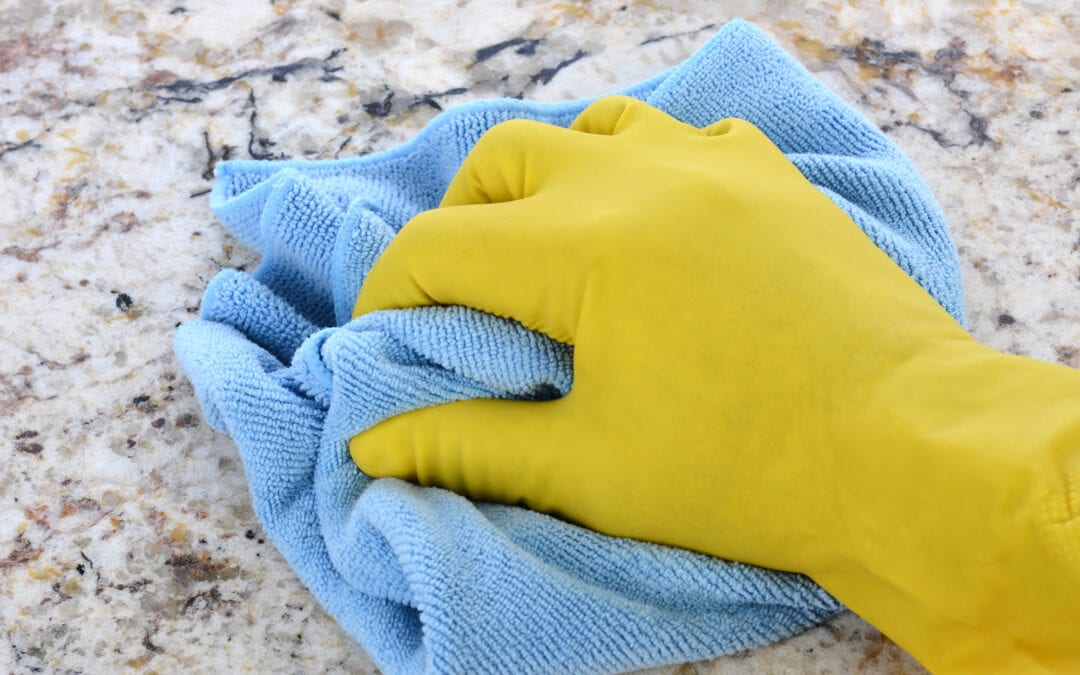
When it comes to home aesthetics, granite countertops are a game-changer. They’re not just durable and resilient, they’re a gorgeous addition that can tie your home’s look together. But, as with any good thing, they need proper care and maintenance to keep their appeal.
There’s a lot of information out there about granite countertop cleaning and care, and sadly, most of it’s incorrect. I’m here to set the record straight and provide you with the essential tips you need to keep your granite countertops in the best shape possible.
Remember, your countertops are made of stone. They’re built to last a lifetime, but only if you treat them right. From dealing with potential stains to choosing the right cleaning substances, I’ll guide you through it all. So, let’s dive in and learn how to keep your counters spick and span.
The Right Procedure for Granite Countertop Cleaning and Care
Caring for granite countertops shouldn’t be a challenging task if you have the correct information at your disposal. Think of it as a routine you’re developing to keep your countertops vibrant and durable for a longer term. Let’s introduce the various aspects, from sealing to cleaning and polishing your granite surfaces.
Knowing When to Seal Granite Surfaces
Sealing isn’t always necessary for all types of granite. Most granite colors, especially dark ones like Absolute Black and Ubatuba, are highly dense and non-porous. The question then is – when should one seal their granite countertops? It’s straightforward, a simple water droplet test will guide you. Here is a mini-guide.
- Place a few water droplets on your countertop.
- If they bead up, your countertop is still sealed.
- If the surface darkens, it’s time to reseal.
Sealing, when needed, is easy and simply requires applying a stone sealer over your granite’s surface using a clean, dry cloth or a paintbrush, allowing it to dry and wiping off any excess.
Do’s and Don’ts in Cleaning Granite Countertops
Do’s
- Always opt for a pH-neutral cleaner or mild detergent to avoid damage.
- Wipe up immediately after every use, even better, blot spills immediately, especially acidic substances.
- Do clean with warm water mixed with such cleaners.
Don’ts
- Avoid cleaning products that harbor harsh chemicals, acids, and alkalis. These include household favorites like glass cleaners, bleach, and various degreasers.
- On the same note, skip using acidic and alkaline materials such as ammonia, vinegar, and citrus fruits for cleaning.
Do’s and Don’ts in Polishing Granite Countertops
Do’s
One step to retain the granite countertop’s lustrous appeal is through polishing. It’s an extra layer of care that adds to their shine and durability. If you think your granite surfaces could benefit from polishing:
- Always turn to solutions specifically designed for granite
- Apply these using a soft cloth or a nonabrasive brush
- Wait as instructed before wiping off any excess!
Don’ts
While polishing, remember:
- Avoid over application or leaving excess polish on the surface. This can lead to a hazy or streaky finish.
- Do not use abrasive materials or tools for polishing. Countertops are not fans of harsh substances or rough handling.
By following these practical insights and tips, you’ll be set to lengthen the life expectancy of your granite countertops, all while enhancing their aesthetic appeal.
Knowing the Maintenance Routine of Granite Countertops
Taking care of granite countertops doesn’t have to be a chore. By following a scheduled maintenance routine, you can keep these surfaces looking their best.
Daily Routines
Everyday care is essential to maintaining the beauty and longevity of granite countertops. Here’s what you need to do:
- Use a soft, damp cloth or sponge to wipe spills and crumbs.
- Avoid using abrasive cleaning pads or harsh chemicals, as this can damage the countertop’s surface.
- Warm water and a couple of drops of dish soap works well for cleaning.
- If you prefer a homemade cleaner, mix equal parts rubbing alcohol and water. You can even add a few drops of your favorite essential oil for a pleasant smell.
To maintain the stone’s finish, do not use acidic cleaners like vinegar. Over time, they can eat away at the surface, causing damage that can be costly to repair.
Weekly Routines
The end of the week is an excellent time to show your countertops some love. Here’s your weekly checklist:
- Start by removing everything from the countertop. This guarantees you won’t miss any spots that could build up over time.
- Use a stone-specific cleaner suitable for granite. These types of cleaners are formulated to clean without damaging the stone.
- Spray and clean the entire surface to catch all debris and dust.
Encountered a stubborn oil mark? Don’t worry; it happens to the best of us. A paste of baking soda and water can work wonders. Just let it sit on the spot overnight!
Monthly Routines
Each month, take some extra time to pamper your granite countertops and show them a little more love. This might involve polishing the surface or reapplying a granite sealer to keep the surface resistant to moisture and stains. It might seem like extra work, but trust me, it’s worth it in the long run.
Yearly Routines
Lastly, your annual routine should include a thorough examination of your countertops. Check for stains and scratches, and pay particular attention to seams and edges – these are areas most vulnerable to cracking. Dealing with these minor issues promptly can prevent more extensive repairs down the line.
How Do You Go About Everyday Cleaning?
Granite countertop cleaning and care doesn’t have to be a chore. In fact, daily upkeep can be as simple as a wipe-down with some water and a soft towel. However, there are some key steps to follow for successful regular maintenance and to keep those countertops gleaming.
Use a Cleaner Suitable for Granite
When it comes to maintaining your granite countertops, the choice of cleaner is critical. You should always reach for a pH-neutral cleaner or a detergent specifically designed for granite. Acidic or harsh chemicals can damage the surface, and abrasive scrubbers are best avoided. A gentle, stone specific cleaner is ideal for this kind of surface, as recommended by the National Stone Institute. Even mild dish soap can do the trick!
Keep Up on Cleaning
Adopting a daily and weekly cleaning routine slays prospective grime monsters before they evolve into tough stains. One rule of thumb is to blot spills immediately, especially if the spill involves potentially destructive substances like lemon juice or wine. Also, remember to spray and clean the entire surface, catching all debris that tends to gather around appliances. Wipe the countertop down, then ensure it is completely dry, this will ward off potential water spots and streaks.
How to Remove Stains from Granite
For those relentless or forgotten oil marks, you can use a homemade paste. Mix baking soda and water together until it forms a paste-like concoction. Apply it to the stain, cover it, and let it sit overnight. By morning, the stain will have vanished.
Polishing
If you’d like to give your granite surfaces a nice shine post-cleaning, there are many spray cleaners designed specifically for granite that can finish the job. These specialty products help eliminate germs and maintain the countertop’s natural beauty. Remember to enjoy your granite countertops and admire their shine and shimmer after a hard day of cleaning.
Granite Countertops Repair and Maintenance
Shift your worries aside, with some knowledge, you’ll be up keeping your granite countertops like a pro. Keep reading to understand key aspects of granite countertop maintenance from repairing cracks, removing stubborn stains, dealing with chips to general cleaning and disinfecting.
Granite Countertops Crack Repair
Cracks on your granite countertop? Quite a bummer! But don’t stress. Granite, though lending a sturdy appeal, can become prone to cracks over time. This is particularly common around areas of high impact or near sinks. The good news is that you can repair these cracks and chips yourself using an epoxy adhesive. It penetrates deep into granite, creating an airtight bond and it’s relatively easy to use. In the case of larger, separated cracks, however, hiring a professional specialist can ensure quality repair, making the damage nearly invisible.
Deeply Cleaning of Granite Stains
Tackling stains on your granite surface starts with identifying the culprit that caused the stain. With this knowledge, you’ll prepare a granite poultice to tackle it. The poultice’s ingredients will vary depending on the nature of the stain. What’s more, some types of granite, such as white granite, are more prone to staining due to their less dense composition, so choose your countertop color wisely.
Granite Chip Repair
Another issue that can compromise the aesthetics of your countertop are chips and pits. These could be a result of heavy impacts or loose minerals over time. Certain types of granite can resist such damages better than others. The most common method of repairing these chips is by filling them with a similarly colored epoxy.
Cleaning and Maintaining Granite Countertops Overview
Consistent care is key to keep your granite countertops looking their best. Remember, it’s all about using the right products, like pH-neutral cleaners, and avoiding the wrong ones, such as harsh chemicals. Don’t forget about the importance of sealing and resealing your granite surfaces. It’s a simple task that goes a long way in protecting your countertops.
Your daily, weekly, and monthly routines are also vital. They’ll ensure that small messes don’t turn into big problems. And remember, an annual check-up isn’t just a good idea—it’s a must. It’ll help you catch any vulnerabilities before they become major issues.
Lastly, don’t be afraid to tackle small repairs on your own. With the right tools and a bit of patience, you can keep your granite countertops by Advantage Stone Fabrication looking like new for years to come.