
Fort Collins, Colorado, is a city that enjoys the beauty and benefits of all four seasons, each bringing its own unique weather patterns. Whether you’re new to the area or a long-time resident, understanding the local weather is key to making the most of what this vibrant city has to offer.
For those looking to learn more about life in Fort Collins, be sure to check out our in-depth guides on Fort Collins high schools and emergency preparedness efforts, offering valuable insights to help you navigate the city with confidence.
Seasonal Overview
- Winter (December to February): Winters in Fort Collins can be cold, with average temperatures often dipping below freezing. Snow is common, with January typically being the snowiest month. While Fort Collins doesn’t receive as much snow as higher elevations in Colorado, residents should still be prepared for icy roads and the occasional snowstorm. The city experiences frequent sunny days in winter, thanks to Colorado’s high-altitude climate, which helps to quickly melt the snow.
- Spring (March to May): Springtime in Fort Collins is characterized by rapidly changing weather. March and April can bring late-season snowstorms, while May typically sees a transition to milder weather. The spring months also bring the risk of flooding, especially during periods of rapid snowmelt or heavy rainfall. It’s a time when layers are your best friend, as you might start the day in a jacket and end it in a t-shirt.
- Summer (June to August): Summers in Fort Collins are warm, with average high temperatures in the 80s and low humidity, making it an ideal time for outdoor activities. However, afternoon thunderstorms are common in July and August, bringing short but intense bursts of rain, lightning, and occasionally hail. These storms can be sudden, so it’s wise to carry a rain jacket or umbrella if you’re spending time outdoors.
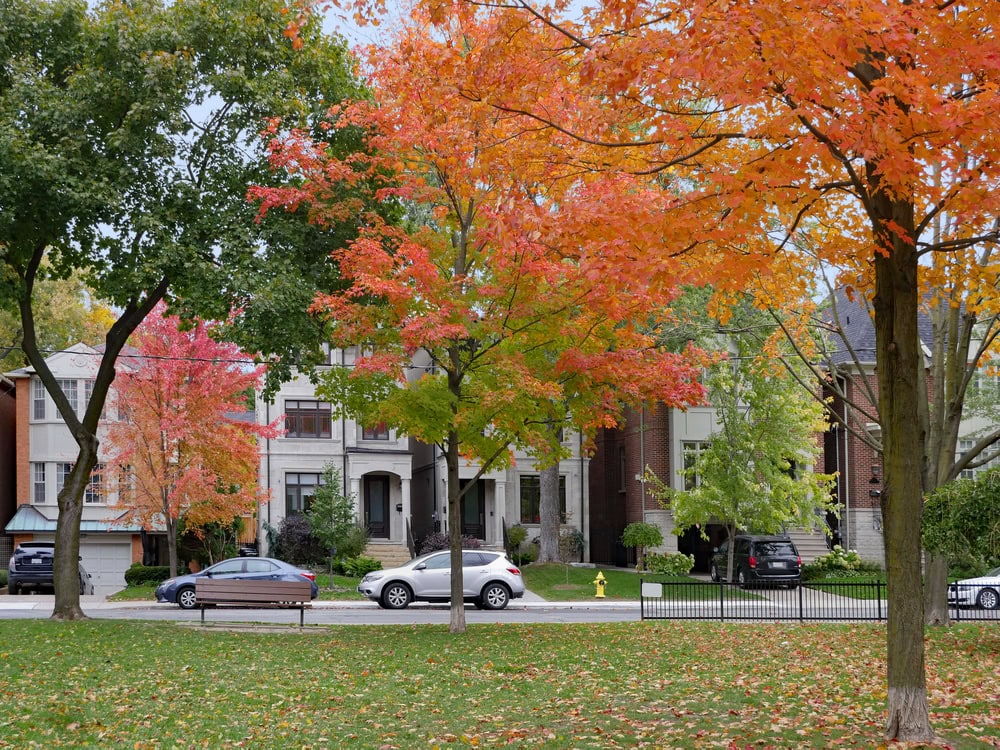
- Fall (September to November): Fall is one of the most picturesque seasons in Fort Collins. Temperatures begin to cool down, with warm days and crisp evenings. September and October are especially pleasant, with little rainfall and plenty of sunshine. By November, however, temperatures drop significantly, and the first snowfalls of the season may occur. This is a beautiful time to explore the city’s parks and trails, as the changing leaves provide a stunning backdrop.
Unique Weather Patterns
Fort Collins, situated at the base of the Rocky Mountains, experiences a variety of unique weather patterns that residents and visitors should be aware of:
- Chinook Winds: These warm, dry winds descend from the mountains and can cause sudden temperature increases, particularly in the winter. While they can provide a welcome break from the cold, they can also rapidly dry out vegetation, increasing the risk of wildfires.
- Flash Flooding: Fort Collins has a history of flash flooding, particularly during intense summer thunderstorms. The city’s proximity to rivers and creeks, combined with its relatively flat terrain, can lead to quick and severe flooding during heavy rain events. It’s important to stay informed about weather conditions, especially during the summer months.
- Hailstorms: Northern Colorado, including Fort Collins, is part of “Hail Alley,” one of the most hail-prone areas in the United States. Hailstorms are most common in late spring and early summer and can cause significant damage to vehicles, roofs, and gardens. Keeping an eye on the weather forecast and knowing where to find shelter can help minimize the impact of these storms.
Tips for Navigating Fort Collins Weather
Understanding the weather in Fort Collins is essential for making the most of your time in this dynamic city. Here are a few tips:
Monitor Weather Alerts: Fort Collins experiences a range of weather conditions, some of which can be severe. Signing up for local weather alerts and paying attention to forecasts can help you stay ahead of any weather-related challenges.
Layer Up: With the frequent temperature changes, especially in the spring and fall, dressing in layers is a practical way to stay comfortable throughout the day.
Stay Hydrated and Protected: The high altitude means the sun is stronger, so always wear sunscreen and drink plenty of water, especially during outdoor activities in the summer.
Be Prepared for Thunderstorms: Summer thunderstorms can be powerful but brief. If you’re hiking or spending time outdoors, be aware of the potential for lightning and seek shelter if a storm approaches.