
Boulder, Colorado, is known for its stunning natural beauty and vibrant outdoor lifestyle, and understanding the local weather is crucial to making the most of what this unique city has to offer. Boulder’s weather is characterized by its high elevation, proximity to the Rocky Mountains, and the four distinct seasons that offer a variety of experiences throughout the year.
Seasonal Overview
- Fall (September to November): Fall is one of the most beautiful times of the year in Boulder. Temperatures start to cool down, with crisp mornings and warm afternoons. September and October are particularly lovely, with the aspen trees turning golden and the weather remaining relatively dry. However, by November, winter begins to creep back in, with cooler temperatures and the first snowfalls of the season.
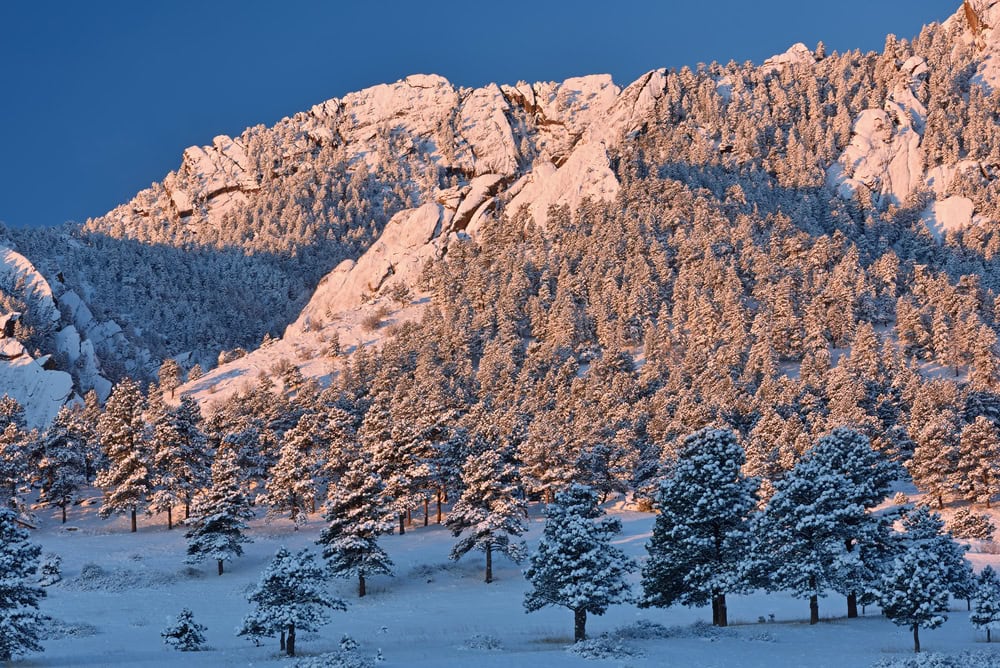
- Winter (December to February): Winters in Boulder can be cold, with temperatures often dipping below freezing. Snow is common, particularly in January and February, but thanks to the area’s dry climate, it often melts quickly. Boulder’s high elevation means that winter storms can sometimes be intense, with occasional heavy snowfall, but it also leads to bright, sunny days even in the heart of winter.
- Spring (March to May): Spring in Boulder is unpredictable. You can experience everything from sunny, warm days to sudden snowstorms. March is typically the snowiest month, but by May, temperatures begin to warm up significantly. This is a beautiful time to explore Boulder’s trails, though be prepared for muddy conditions as the snow melts.
- Summer (June to August): Summers are warm and pleasant, with average highs in the 80s and low humidity. However, afternoon thunderstorms are common, especially in July and August. These storms can bring sudden and heavy rain, so hikers and outdoor enthusiasts should always be prepared with rain gear. Despite the occasional storm, Boulder’s summer weather is generally ideal for outdoor activities.
Unique Weather Patterns
Boulder’s weather is heavily influenced by its proximity to the mountains. The city is located in a region where the plains meet the foothills of the Rockies, creating a unique microclimate. Chinook winds, which are warm, dry winds that descend from the mountains, can cause dramatic temperature changes, particularly in the winter. These winds can melt snow quickly and bring a brief respite from the cold.
Another important weather phenomenon in Boulder is the occasional risk of flash flooding, particularly during the late summer when heavy rainstorms can quickly overwhelm the area’s waterways. The city has a history of significant flood events, so staying informed and prepared is essential, especially during the rainy season.
Outdoor Activities and Weather Considerations
For those looking to enjoy Boulder’s abundant outdoor opportunities, understanding the weather is key. In the winter, layers are essential to stay warm during early morning hikes or evening strolls. In the summer, sunscreen, plenty of water, and a rain jacket are must-haves to protect against the high-altitude sun and sudden thunderstorms.
Boulder’s weather can change rapidly, so locals and visitors alike should always check the forecast before heading out and be prepared for a range of conditions, no matter the season.
For those new to the area or looking to deepen their knowledge, be sure to check out our comprehensive guides to Boulder high schools and Boulder emergency preparedness efforts, providing valuable information to navigate life in this dynamic city.