
Loveland, Colorado, nestled in the northern part of the state, offers a diverse and dynamic climate that residents and visitors alike should be well-prepared for. Known for its picturesque views of the Rocky Mountains, Loveland experiences a true four-season climate, with each season bringing its unique weather patterns and challenges.
For a comprehensive guide to Loveland’s high schools and tips on emergency preparedness in the area, be sure to check out our related articles.
1. Winter Weather:
Winters in Loveland can be quite cold, with average temperatures ranging from the low 20s to mid-40s (°F). Snowfall is common, with the city receiving around 50 inches of snow annually. While the snow often blankets the area in a serene winter wonderland, it can also lead to hazardous driving conditions and the need for snow removal services. Residents should be prepared for occasional snowstorms and have proper winter gear and emergency kits for their homes and vehicles.
2. Springtime Transition:
Spring in Loveland is a time of transition. March and April can still see snowfall, but temperatures begin to rise, with averages ranging from the 30s to 60s (°F). Spring is also the wettest season, with rainfall contributing to the area’s lush greenery. However, the melting snow and rain can lead to muddy conditions and potential flooding in low-lying areas.
3. Summer Heat and Thunderstorms:
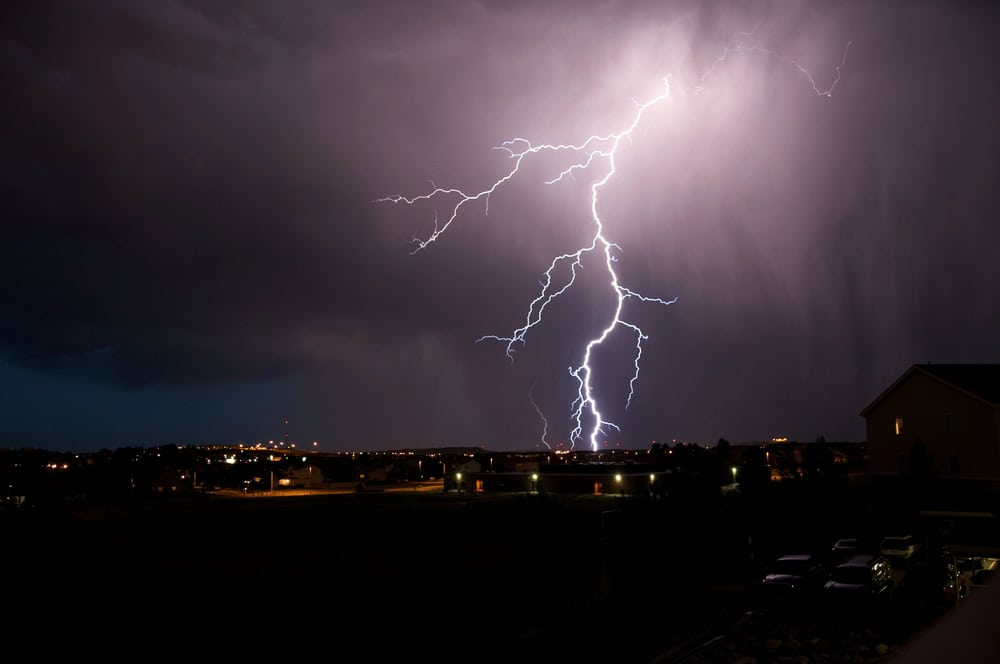
Summers in Loveland are warm and often dry, with average temperatures ranging from the mid-50s to mid-80s (°F). However, July and August can see temperatures soar into the 90s, making it essential to stay hydrated and take precautions against heat-related illnesses. Summer is also thunderstorm season in Loveland, with frequent afternoon storms that can bring heavy rain, hail, and occasional tornadoes. It’s wise to stay weather-aware and have a plan in place for sudden severe weather.
4. Crisp and Colorful Fall:
Fall in Loveland is marked by cooler temperatures, ranging from the 40s to 70s (°F), and a breathtaking display of autumn foliage. This season is generally mild and dry, making it perfect for outdoor activities. However, as the season progresses, temperatures can drop quickly, leading to early frosts and the possibility of an early snowfall.
5. Elevation and Mountain Influence:
Loveland’s elevation, at approximately 4,982 feet above sea level, means that weather conditions can change rapidly. The proximity to the Rocky Mountains also contributes to unpredictable weather patterns, particularly in the winter and spring. Mountain-induced weather changes, such as sudden winds and temperature shifts, are not uncommon.
6. Air Quality Considerations:
During the summer and early fall, Loveland can experience periods of poor air quality due to wildfires in Colorado and neighboring states. Smoke and haze from these fires can drift into the area, making it important for residents, especially those with respiratory conditions, to monitor air quality levels and reduce outdoor activities during these times.
Understanding Loveland’s weather is crucial for planning daily activities, ensuring safety, and making the most of what this beautiful city has to offer. Whether you’re a resident or a visitor, staying informed about the local weather patterns will help you enjoy Loveland to the fullest.